Energy Efficiency Certificate (CEE) in Spain
What is the Energy Efficiency Certificate?
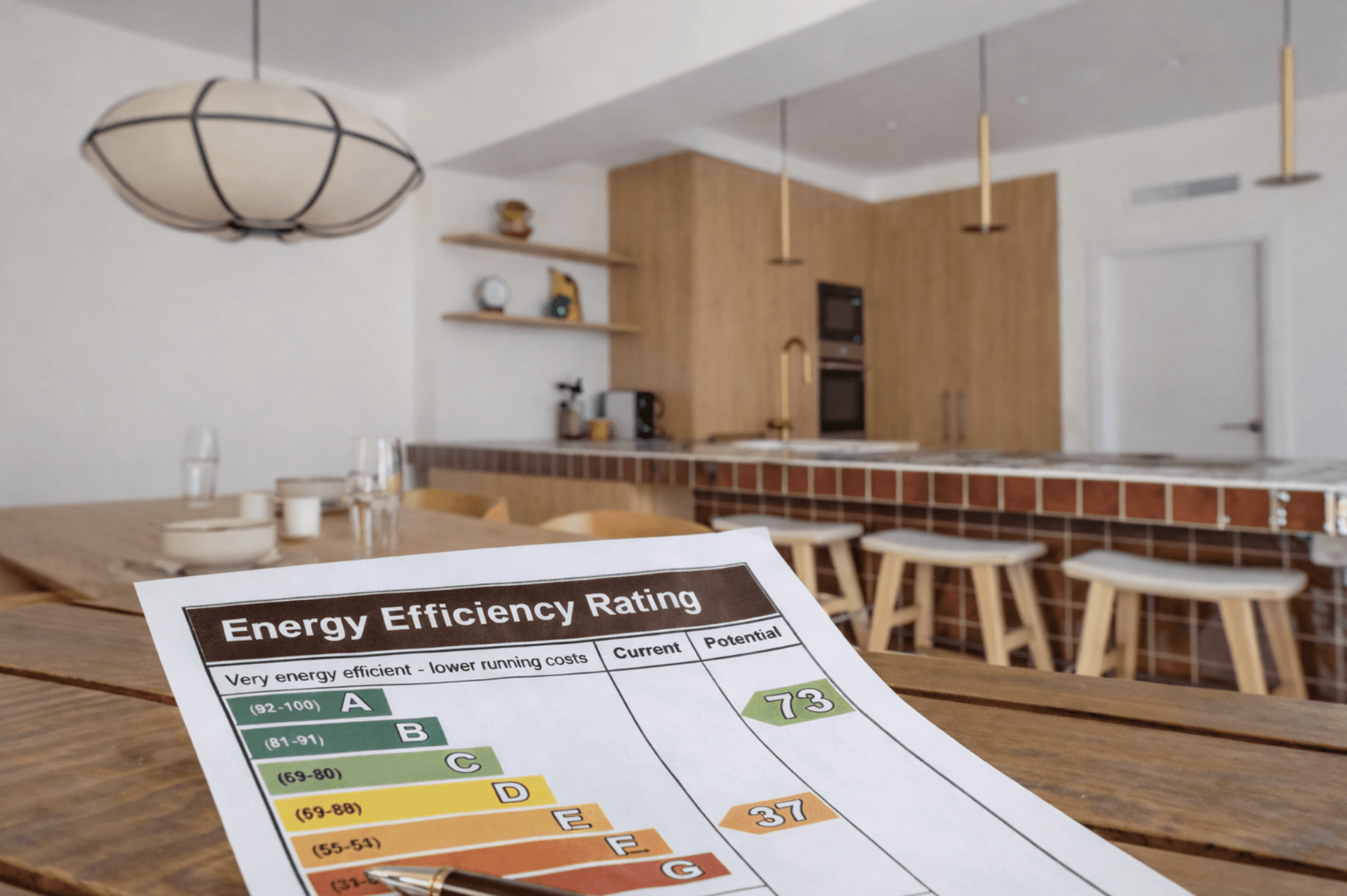
The Energy Efficiency Certificate (in Spanish, Certificado de Eficiencia Energética or CEE) is an official document that evaluates how much energy a property consumes and how much CO₂ it emits under normal use conditions.
Every residential property receives an energy rating from A to G:
A: Very efficient (low energy consumption)
G: Very inefficient (high energy consumption)
The certificate includes:
The energy rating (A–G)
Estimated annual energy consumption (kWh/m²/year)
Estimated CO₂ emissions
Recommendations to improve efficiency
The CEE must be issued by a certified technician and registered with the regional authority (in Valencia, the Generalitat Valenciana).
Is the Certificate Mandatory?
Yes. In Spain, the Energy Efficiency Certificate is mandatory when:
Selling a property
Renting a property
The certificate must be available before signing the sale deed (escritura) or rental contract.
The certificate is valid for 10 years, unless the property undergoes major renovations that affect energy performance.
Current Situation (Today)
At present:
All properties for sale or rent must have a CEE
There is no minimum energy rating required
A property with any rating (A–G) can legally be sold or rented, as long as the certificate exists
Future Changes: What Is Coming?
Important changes are expected due to new European Union regulations, specifically the updated Energy Performance of Buildings Directive (EPBD). These rules aim to reduce energy consumption, emissions, and improve the quality of Europe’s building stock.
Spain will gradually introduce minimum energy efficiency requirements.
From 1 January 2030
To sell or rent a residential property, it will need a minimum energy rating of E
Properties rated F or G will need energy improvements before being marketed
From 1 January 2033
The minimum required rating will increase to D
Properties that only meet E in 2030 may need further upgrades
Summary Table
Year | Minimum Rating to Sell or Rent |
Today | Certificate required (any rating) |
2030 | Minimum E rating |
2033 | Minimum D rating |
Why These Changes Matter
These new requirements will:
Encourage energy-efficient renovations
Reduce energy bills for homeowners and tenants
Improve property value and marketability
Reduce CO₂ emissions and energy dependency
In regions like Valencia, where many homes are older and less efficient, these changes may significantly impact the resale and rental market.
weVLC’s View on the Future Regulation
At weVLC, we closely follow the evolution of this regulation and would like to share a realistic perspective based on the current situation of the Spanish real estate market.
In our opinion, it is likely that the effective application of these requirements will be postponed or made more flexible. This is already happening in other European countries, where deadlines are being delayed or exceptions introduced due to the practical difficulties of implementation.
In the case of Spain, we believe that a strict application of these requirements presents several significant challenges:
A large part of the housing stock is old and has low energy ratings
The required renovations may involve high costs for many property owners
There are technical, economic, and administrative limitations to applying the regulation on a widespread basis
For these reasons, we believe that the implementation of the regulation will be gradual, with possible postponements, adaptations, or exceptions, especially for second-hand properties.
In any case, weVLC recommends that property owners stay informed and assess each situation individually, as the real impact will depend on how the law is ultimately defined and implemented in Spain.
Energy Efficiency Certificate (CEE) in Spain
What is the Energy Efficiency Certificate?
The Energy Efficiency Certificate (in Spanish, Certificado de Eficiencia Energética or CEE) is an official document that evaluates how much energy a property consumes and how much CO₂ it emits under normal use conditions.
Every residential property receives an energy rating from A to G:
A: Very efficient (low energy consumption)
G: Very inefficient (high energy consumption)
The certificate includes:
The energy rating (A–G)
Estimated annual energy consumption (kWh/m²/year)
Estimated CO₂ emissions
Recommendations to improve efficiency
The CEE must be issued by a certified technician and registered with the regional authority (in Valencia, the Generalitat Valenciana).
Is the Certificate Mandatory?
Yes. In Spain, the Energy Efficiency Certificate is mandatory when:
Selling a property
Renting a property
The certificate must be available before signing the sale deed (escritura) or rental contract.
The certificate is valid for 10 years, unless the property undergoes major renovations that affect energy performance.
Current Situation (Today)
At present:
All properties for sale or rent must have a CEE
There is no minimum energy rating required
A property with any rating (A–G) can legally be sold or rented, as long as the certificate exists
Future Changes: What Is Coming?
Important changes are expected due to new European Union regulations, specifically the updated Energy Performance of Buildings Directive (EPBD). These rules aim to reduce energy consumption, emissions, and improve the quality of Europe’s building stock.
Spain will gradually introduce minimum energy efficiency requirements.
From 1 January 2030
To sell or rent a residential property, it will need a minimum energy rating of E
Properties rated F or G will need energy improvements before being marketed
From 1 January 2033
The minimum required rating will increase to D
Properties that only meet E in 2030 may need further upgrades
Summary Table
Year | Minimum Rating to Sell or Rent |
Today | Certificate required (any rating) |
2030 | Minimum E rating |
2033 | Minimum D rating |
Why These Changes Matter
These new requirements will:
Encourage energy-efficient renovations
Reduce energy bills for homeowners and tenants
Improve property value and marketability
Reduce CO₂ emissions and energy dependency
In regions like Valencia, where many homes are older and less efficient, these changes may significantly impact the resale and rental market.
weVLC’s View on the Future Regulation
At weVLC, we closely follow the evolution of this regulation and would like to share a realistic perspective based on the current situation of the Spanish real estate market.
In our opinion, it is likely that the effective application of these requirements will be postponed or made more flexible. This is already happening in other European countries, where deadlines are being delayed or exceptions introduced due to the practical difficulties of implementation.
In the case of Spain, we believe that a strict application of these requirements presents several significant challenges:
A large part of the housing stock is old and has low energy ratings
The required renovations may involve high costs for many property owners
There are technical, economic, and administrative limitations to applying the regulation on a widespread basis
For these reasons, we believe that the implementation of the regulation will be gradual, with possible postponements, adaptations, or exceptions, especially for second-hand properties.
In any case, weVLC recommends that property owners stay informed and assess each situation individually, as the real impact will depend on how the law is ultimately defined and implemented in Spain.
